Christmas in Australia has its own particular kind of magic. Long summer afternoons, backyard barbecues, seafood lunches, children running through sprinklers and family gatherings that stretch well into the evening. It’s a time for coming together, sharing food and celebrating the people we love.
But somewhere between the shopping lists, gift exchanges, decorations and enormous Christmas lunches, the festive season can become a little overwhelming. There’s pressure to buy more, prepare more and somehow make everything bigger and better than the year before.
And while Christmas is a season of generosity, it’s also a time when a significant amount of what we buy ends up going unused.
According to research published by The Australia Institute in December 2024, 27% of Australians surveyed expected to receive Christmas presents they would never use or wear. The researchers estimated the value of these unwanted gifts at more than $1 billion.
Perhaps more surprisingly, while 77% of Australians said they enjoyed buying Christmas presents, 52% would actually prefer that other people didn’t buy them gifts.
It’s an interesting contradiction. We love giving, but we don’t necessarily want more things.
So, what if we approached Christmas a little differently? Not by abandoning the traditions we love, but by being more intentional about how we celebrate.
A More Thoughtful Approach to Christmas Gifting
One of the easiest places to start is with the Christmas gift list.
It’s easy to fall into the habit of buying something for everyone, particularly when there are large families, friendship groups or workplace celebrations involved. But the pressure to find individual presents can result in rushed purchases, duplicate gifts and things people simply don’t need.
Rather than buying more, consider whether you could give differently.
A family Secret Santa, for example, allows everyone to focus on choosing one meaningful present instead of several smaller ones. You might agree on a spending limit, ask people to share wish lists or contribute towards a single gift that someone has been saving for.
Group gifting is another thoughtful alternative. When friends or family contribute together, the recipient can receive something genuinely useful or meaningful without everyone needing to purchase separate presents.
It doesn’t take away from the joy of giving. If anything, it can make the experience more personal.
Gifts That Don’t Need Wrapping
Some of the most memorable presents aren’t physical objects at all.
An afternoon spent together, tickets to a concert, a cooking workshop or a weekend adventure can create memories that last much longer than the excitement of unwrapping something new.
For children, this might mean swimming lessons, a trip to a wildlife park or an experience connected to a hobby they’re particularly excited about. For adults, it could be a special dinner, a creative class or simply time set aside to do something together.
Experiences aren’t automatically environmentally friendly, of course. Travel and certain activities can have their own environmental impacts. But choosing a local experience that someone genuinely wants can be a thoughtful alternative to purchasing another item that might never be used.
The important part is understanding what the recipient would actually enjoy.
Rethinking the Wrapping and Decorations
There’s something lovely about a beautifully wrapped present, but the materials we use can make a difference.
Not all Christmas wrapping paper can be recycled. According to the City of Sydney’s recycling guidance, wrapping made entirely from paper can generally be placed in household paper recycling, while metallic, foil-covered and glittery varieties cannot. Recycling rules can vary between councils, so it’s worth checking your local requirements.
Reusing gift bags, ribbons and wrapping paper is a simple place to start. Fabric, tea towels, old maps and children’s artwork can also make beautiful alternatives.
The same thinking applies to Christmas decorations. Rather than replacing everything each year, consider adding a few handmade pieces or creating a tradition of making one special decoration together.
Over time, those slightly wonky homemade ornaments often become the most treasured things on the tree.
A Christmas Lunch Without the Waste
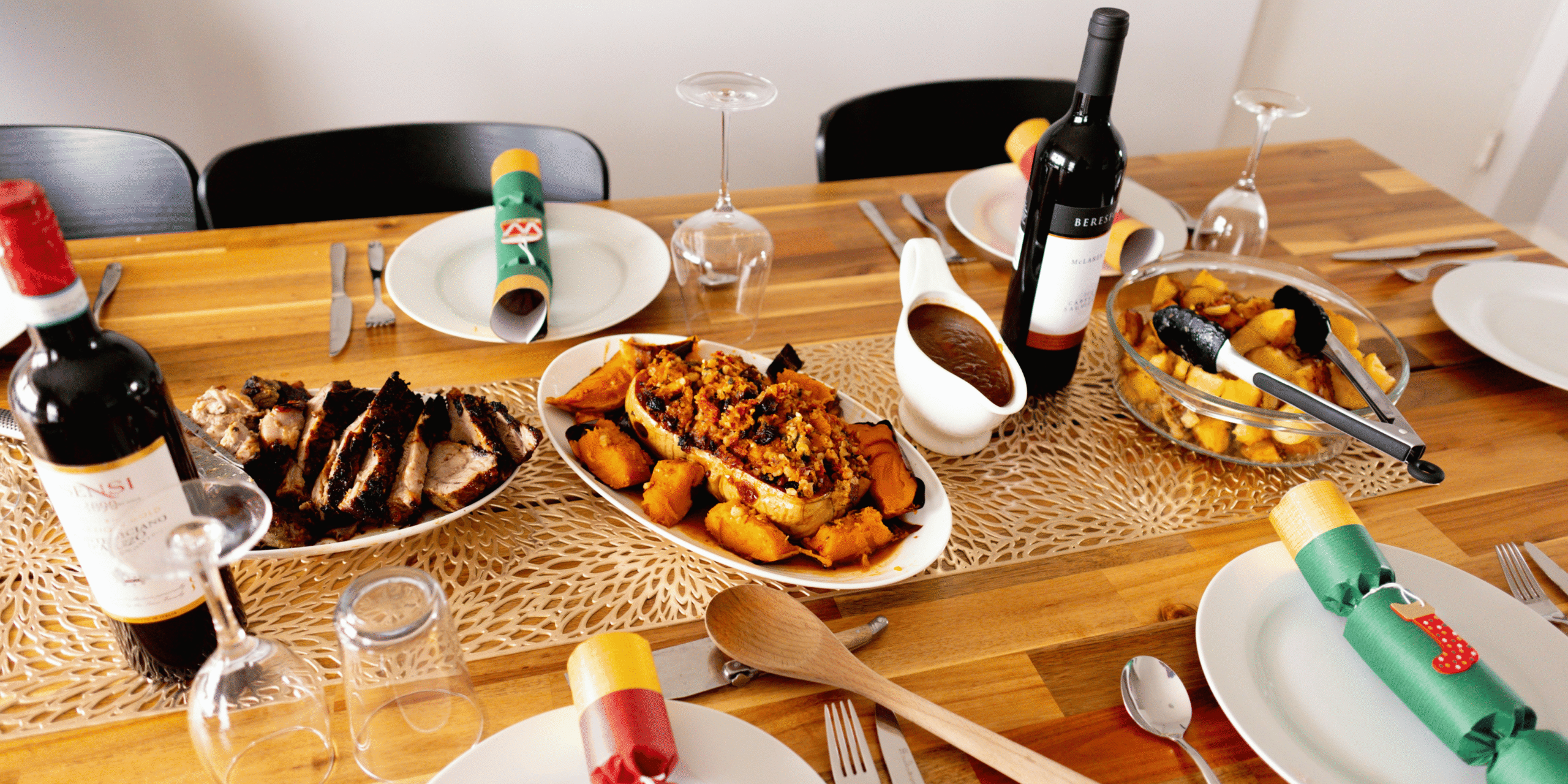
Food is such a central part of an Australian Christmas, and understandably so. Whether your family prefers a traditional roast, a seafood feast or a relaxed barbecue, sharing a meal is often one of the highlights of the day.
But preparing enough food for everyone doesn’t have to mean preparing twice as much as anyone can eat.
A little planning can help. Confirm who’s coming, coordinate dishes between guests and check what you already have before heading to the supermarket. If everyone is contributing something, make sure you haven’t accidentally ended up with five salads and three pavlovas.
Food Standards Australia New Zealand also recommends paying particular attention to food storage during festive gatherings. Perishable foods should be kept properly chilled, and leftovers should be refrigerated promptly.
This is especially important during an Australian summer, when seafood, salads and other perishable dishes can quickly become unsafe if they’re left outside in the heat.
Planning ahead means less food in the bin and more leftovers to enjoy over the following days.
Supporting Your Local Community
A more thoughtful Christmas can also be an opportunity to consider where our money goes.
When purchasing presents, decorations or food, look at what local businesses and independent makers have to offer. Australian artists, small retailers and community businesses often have unique products that can make lovely gifts.
Of course, shopping locally doesn’t automatically make something sustainable. Buying something unnecessary is still buying something unnecessary, regardless of where it comes from.
But choosing quality over quantity, supporting businesses whose values align with your own and purchasing things people will genuinely use can all be part of a more considered approach.
Christmas is also a wonderful time to support an Australian charity.
Whether it’s an organisation working in children’s health, mental wellbeing, animal welfare or community support, charitable giving can become a meaningful part of your family’s celebrations.
You might choose a cause together, make a donation instead of exchanging presents or encourage children to learn more about the organisations helping people in their communities.
Keeping the Traditions That Matter
Perhaps the nicest thing about a more sustainable Christmas is that it encourages us to think about what we actually love about the season.
It’s probably not the shopping centre queues, the endless gift lists or the pressure to find the perfect present for someone who already has everything.
It’s the people. The traditions. The conversations around the table, the familiar recipes and the time spent together.
You don’t need to transform your entire Christmas to make a difference. Start with one or two changes that feel manageable, whether that’s reducing unnecessary gifts, reusing decorations or supporting a cause close to your heart.
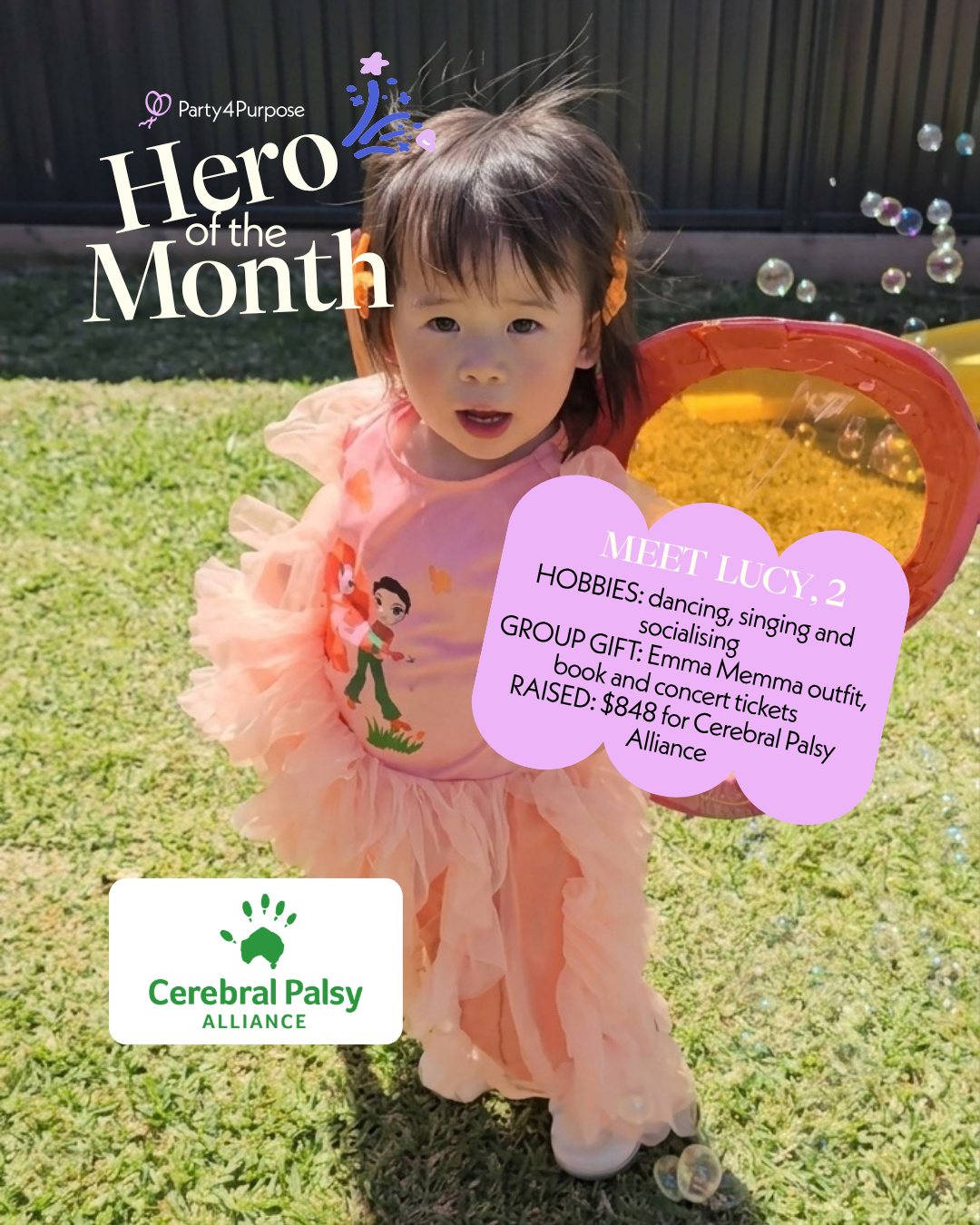
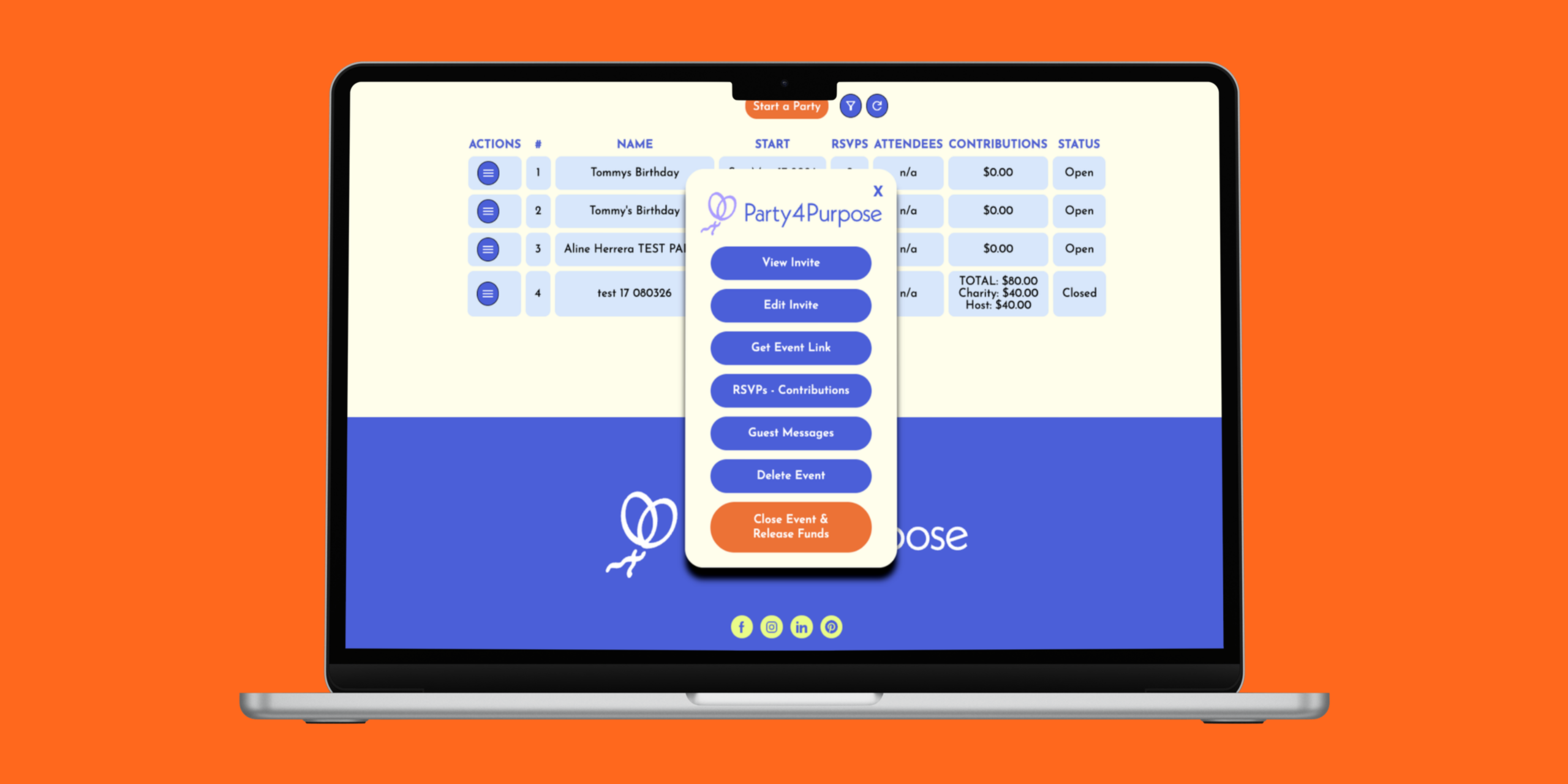
And if you’re looking to bring that same approach into other celebrations throughout the year, Party4Purpose makes it easier to combine thoughtful group gifting with charitable giving.
Instead of receiving lots of individual presents, people celebrating can choose one meaningful gift while directing a portion of contributions towards an Australian charity.
Because celebrating more thoughtfully doesn’t mean celebrating less. Sometimes, it means getting back to what made the occasion special in the first place.
Explore how Party4Purpose makes meaningful celebrations possible.